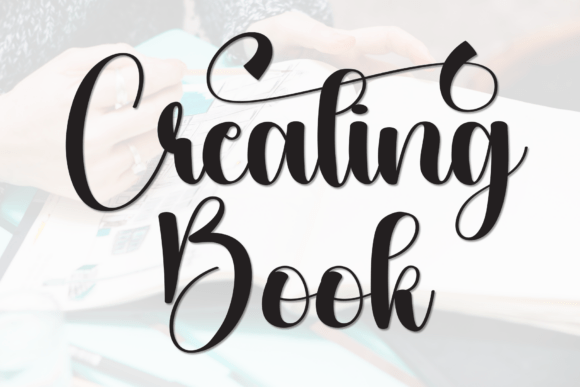
Creating Book Font for Elegant Design
Creating Book is a stylish script font that brings elegance and contemporary charm to editorial design. Its graceful strokes, fluid curves, and carefully crafted letterforms make it ideal for projects that require a touch of sophistication. As a member of the Script Amp collection, Creating Book offers a unique blend of hand-drawn beauty and modern typography, making it a valuable addition to any designer's toolkit.
Designed with readability in mind, Creating Book balances artistic flair with practical use. It works well in headings, cover text, and accent typography, where its expressive character can shine without overwhelming the reader. The font’s visual personality makes it particularly suited for content that aims to evoke emotion, whether through a blog post, magazine spread, or digital publication.
Using Creating Book in Editorial Layouts
For bloggers and publishers, Creating Book adds a refined touch to article headers, section titles, and pull quotes. Its flowing lines and organic feel make it perfect for lifestyle blogs, recipe ebooks, and creative guides. When used as a headline font, it draws attention while maintaining a sense of clarity and professionalism.
In magazine design, Creating Book can be used for cover text, chapter openers, and feature titles. Its versatility allows it to work across different formats, from print to digital layouts. For example, a wedding guide might use Creating Book for key phrases like “Your Big Day” or “Wedding Planning Tips,” adding a personal and elegant tone to the content.
When paired with a readable serif or sans serif font, Creating Book enhances visual hierarchy without sacrificing legibility. This makes it an excellent choice for ebook titles, newsletter graphics, and printable materials. A coaching workbook could use Creating Book for section headings, while a clean sans serif font handles the body text, ensuring a balanced and professional look.
Creating Book for Branding and Reader Engagement
Publication branding benefits greatly from the use of a consistent and distinctive typeface. Creating Book can serve as a signature font for a brand, reinforcing identity across various mediums. Whether it’s a digital magazine, a downloadable worksheet, or a creator’s newsletter, the font helps establish a cohesive visual language.
For reader engagement, Creating Book can be used in quote graphics, social media posts, and promotional banners. Its handwritten quality gives a personal and approachable feel, which is especially effective in content marketing and educational materials. A printable planner might incorporate Creating Book for motivational quotes or daily affirmations, creating a visually appealing and inspiring layout.
The font also works well in lead magnets and downloadable resources. A free guide on time management could feature Creating Book in the title and subheadings, making the content more attractive and shareable. Its ability to convey warmth and creativity makes it ideal for content that aims to connect with readers on an emotional level.
Readability and Practical Considerations
While Creating Book is primarily a display font, it can be used effectively in short bursts of text. For longer reading, it’s best to pair it with a more traditional typeface. This ensures that the overall design remains readable across different platforms, including mobile devices, web browsers, and printed materials.
When exporting designs to PDF or using the font in email newsletters, it’s important to test how it renders on various screens. Creating Book maintains its integrity at larger sizes, making it suitable for headings and titles. However, for body text, a more structured font will provide better readability and user experience.
Designers should also consider the font’s multilingual support when working on international projects. Creating Book includes alternate characters and ligatures, which can enhance the typographic quality of non-English content. This makes it a versatile option for global publications and multilingual content strategies.
Font Pairing and Creative Applications
Pairing Creating Book with complementary fonts can elevate the overall design of a publication. A serif font like Georgia or Garamond can provide a strong contrast for body text, while a sans serif like Open Sans or Lato works well for captions and navigation elements. This combination ensures that the design remains both aesthetically pleasing and functionally effective.
For packaging design or social media graphics, Creating Book can add a personalized and artistic touch. A digital product creator might use it for logo design or promotional banners, leveraging its unique style to stand out in a competitive market. Its flexibility makes it suitable for both high-end and casual creative projects.
Commercial licensing is an important consideration when using Creating Book in published work. The font is available for purchase through font marketplaces, offering licenses for ebooks, templates, printables, paid newsletters, and client publications. This ensures that designers can use the font legally and confidently in their projects.
Creating Book for Digital and Print Media
Whether designing for the web or print, Creating Book adapts well to different formats. On websites, it can be used for hero sections, call-to-action buttons, or featured headlines, adding a touch of class to digital content. In print, it enhances the visual appeal of brochures, posters, and magazines, making it a go-to choice for editorial designers.
For independent content creators, Creating Book offers a way to elevate the look of their work without compromising on readability. A digital magazine might use it for section headers, while a printable worksheet could feature it in titles and instructions. Its ability to enhance the visual tone of content makes it a valuable asset for anyone involved in editorial design.
Ultimately, Creating Book is more than just a font—it’s a tool for storytelling and visual expression. Its balance of beauty and functionality makes it an essential part of any designer’s repertoire, especially for those who value both aesthetics and usability in their work.